Introduction
Pixel 10-The smartphone world moves fast, but not every phone creates the same kind of excitement. Some devices launch with big numbers, flashy marketing, and a lot of noise, then disappear from public attention within days. Then there are phones that build curiosity slowly. They begin as whispers, become discussion points, and finally turn into something people genuinely start waiting for. That is the zone where the Pixel 10 now seems to be standing.
The Pixel 10 is becoming one of the most talked-about upcoming phones not only because it belongs to Google’s flagship line, but also because it represents something bigger than a normal yearly upgrade. People are not just asking how fast it will be or how many megapixels it may offer. They are asking what kind of AI experience it will bring, how smart the camera may become, how much the software may evolve, and whether this could be the phone that pushes Google’s smartphone vision to a new level.
That is why the Pixel 10 story feels exciting. It is not only about a device. It is about direction. It is about Google trying to prove that the future of smartphones is not just thinner bodies and brighter screens, but more useful intelligence built directly into the phone people carry all day. In a market where many brands are now using the word AI in almost every launch event, the Pixel 10 is being watched closely because Google is one of the few companies people expect to do something genuinely meaningful with that promise.
The Pixel brand has always had a special place in the smartphone conversation. It may not always dominate the market in sheer sales, but it often sets the tone for what Android can feel like when Google is fully in control of the experience. From camera software to call features to clean Android design, Pixel phones have often offered a different kind of appeal. The Pixel 10 seems ready to continue that story, but with a bigger spotlight, stronger expectations, and a lot more pressure.
| Feature | Expected Details |
|---|---|
| Model Name | Pixel 10 |
| Category | Premium AI-focused smartphone |
| Likely Focus | Camera, AI tools, Android experience, long-term updates |
| Expected Processor | Next-generation Google Tensor chip |
| Display | Smooth high refresh rate OLED display |
| Camera Direction | Smarter imaging, AI editing, improved zoom and video |
| Software | Latest Android experience with deep Google AI integration |
| Expected Strength | Clean software, smart features, strong photography |
| Main Keyword | Pixel 10 |
Why the Pixel 10 Is Already Generating Buzz
There is a reason the Pixel 10 is drawing attention even before many users have held it in their hands. Google’s flagship phones now stand at the center of two major conversations at once. The first is the smartphone race itself, where every company is trying to create the next must-have device. The second is the AI race, where the battle is no longer only about hardware but about which company can make a phone truly helpful, intuitive, and personal.
The Pixel 10 sits at the intersection of both. That gives it a natural momentum.
For many users, a Pixel phone is not only about owning a premium Android device. It is about getting the most direct version of Google’s vision. When people think about search, photos, maps, voice tools, translation, email intelligence, assistant features, and now generative AI, they think of Google. So when Google prepares a new flagship, expectations automatically rise. People want to know how much of that intelligence will show up in day-to-day use.
This is where the Pixel 10 starts looking more important than a simple follow-up to the previous model. There is a growing feeling that Google is entering a more serious phase with its smartphone strategy. The company is no longer just making a nice camera phone for Android fans. It is trying to build a device that acts as the most natural home for its AI ecosystem.
That is a powerful idea. Imagine a phone that does not just respond when asked, but feels ready before you even finish the task. Imagine a device that understands your habits better, improves your photos more naturally, handles calls more smartly, helps with writing and planning, and makes everyday digital work feel less tiring. That is the kind of promise surrounding the Pixel 10. Whether it fully delivers remains something users will judge in real life, but the interest is already strong.
The Pixel Legacy and Why It Matters Here
To understand why the Pixel 10 matters, it helps to understand how the Pixel line built its reputation. Pixel phones have often succeeded not by offering the most extreme hardware on paper, but by delivering a combination of software polish and camera intelligence that feels surprisingly real in daily use.
There have been years when Pixel phones led the conversation around smartphone photography even without the highest sensor numbers. There have been years when the clean Android experience helped the devices stand apart from competitors loaded with heavy interfaces. There have also been moments when Pixel-exclusive features made users feel they were getting something genuinely different.
That legacy matters because the Pixel 10 is not entering an empty stage. It is arriving with a history behind it. Users already associate Pixel with good photography, smart software features, reliable voice tools, and quick Android updates. At the same time, the Pixel line has also faced criticism in past generations over issues like pricing, thermal performance, battery consistency, and whether the hardware fully matched the software ambition.
This makes the Pixel 10 more interesting. It has to do two jobs at once. It has to preserve what people already like about Pixel, and it has to answer the doubts that still follow the brand. That is why so many tech watchers are paying close attention. If Google gets the balance right, the Pixel 10 could become one of the most complete Pixel phones yet. If it misses the mark, critics will say the company still has not fully figured out how to turn its software magic into a truly dominant flagship package.
Design Expectations Around the Pixel 10
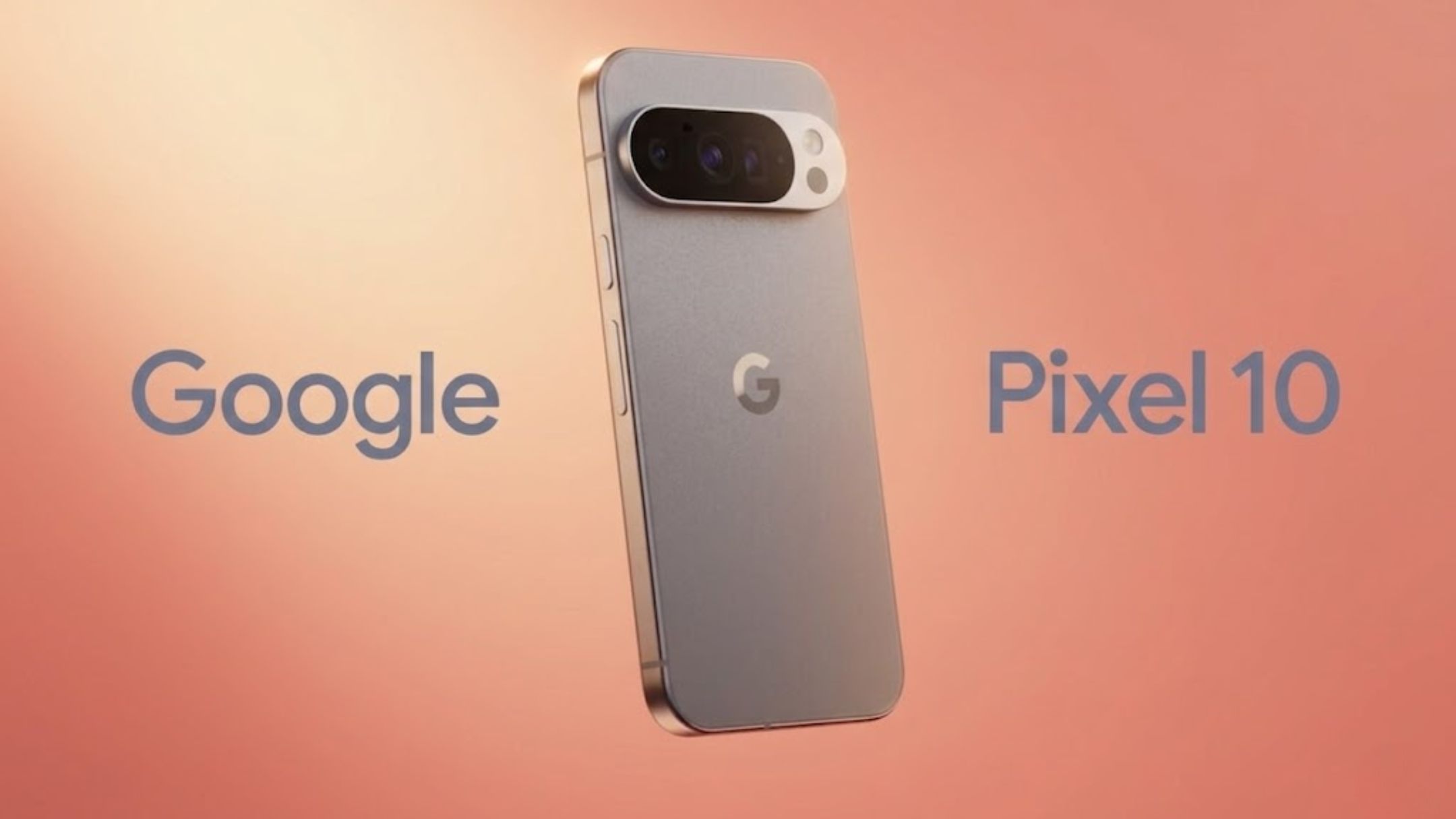
When people discuss a new flagship, design always comes into the conversation early. The Pixel line has built a recognizable identity over the years, especially with its distinct camera bar style and clean visual language. The Pixel 10 is expected to continue that familiar design philosophy rather than throw it away completely, and that may actually be the right move.
Not every generation needs a shocking redesign. Sometimes consistency helps a phone feel more mature. The Pixel 10 is likely to attract users who appreciate a premium phone that looks thoughtful instead of flashy. Google’s design language has often leaned toward simplicity, and the Pixel 10 is expected to carry forward that understated confidence.
That does not mean there will be no changes. Even subtle refinements can matter a lot. The bezels may feel more polished, the frame may feel more premium, the camera module may become more refined, and the hand feel may improve in ways that are difficult to notice on a spec sheet but obvious in daily use. These little things often separate a decent flagship from a phone that feels truly expensive.
For buyers, design is no longer only about beauty. It is also about comfort. People use their phones for hours every day. They want a device that feels solid without being awkward, stylish without being slippery, premium without being fragile. The Pixel 10 is expected to aim for that balance. If Google delivers a design that feels elegant, familiar, and practical, it could strengthen the phone’s identity in a market where many devices start looking too similar.
Pixel 10 and the Big AI Push
This is the heart of the conversation. More than camera, more than design, more than speed, the Pixel 10 is being viewed through the lens of AI. That is what gives the phone its personality.
AI in phones used to sound like a background feature. It helped cameras detect scenes, improved battery management, or suggested replies to messages. But now AI is becoming the main headline. The Pixel 10 enters this moment with a big advantage: Google already has deep roots in machine learning, search intelligence, language models, and cloud services. That means people naturally expect more from a Google phone.
The Pixel 10 is likely to push that identity strongly. Users are expecting smarter voice interactions, stronger on-device processing, more natural help with writing and summarizing, better photo editing, improved translation, and deeper assistant-like experiences. What makes this exciting is that the best AI phone experience is not the one that feels flashy for five minutes. It is the one that keeps saving time every day.
If the Pixel 10 can help a user rewrite a rough message more naturally, summarize a long note quickly, identify useful details from an image, manage conversation context more smoothly, clean up a photo with fewer taps, and handle everyday digital clutter more intelligently, then it will feel like more than a phone. It will feel like a personal companion that reduces friction.
That is the dream behind the Pixel 10. And it is why this device is being watched so closely. Google has the software background to make AI feel less like a gimmick and more like an invisible layer of usefulness. The real test will be whether the Pixel 10 makes these tools feel effortless rather than forced.
Camera Expectations Could Be a Major Selling Point
One thing the Pixel line rarely escapes is camera expectation. Every new Pixel phone is judged heavily on photography, and the Pixel 10 will be no different. In fact, the camera could once again become one of the biggest reasons people pay attention to it.
Google built much of its smartphone reputation by showing that great photography is not only about giant hardware. Computational photography changed the game for Pixel phones. Images often looked sharp, balanced, natural, and instantly shareable. Night photography, portrait processing, and image cleanup became areas where Pixel devices often impressed people.
With the Pixel 10, users will expect the next step. They will want photos that look detailed without looking fake. They will want skin tones that feel natural. They will want video that is more stable, clearer, and more reliable in difficult lighting. They will want zoom improvements. They will want AI editing tools that actually help instead of ruining the image. Most of all, they will want a camera system that feels trustworthy. They want to point, shoot, and feel confident.
This is where Google has an opportunity. The Pixel 10 does not necessarily need to win the camera race only with giant sensor numbers. It needs to win the emotional test. It needs to make people say, “This photo looks good every time.” That consistency matters more than marketing.
If the Pixel 10 brings smarter portrait handling, cleaner night shots, better video tuning, stronger zoom performance, and faster processing, it could become one of the most talked-about camera phones of its generation. For creators, travelers, parents, and casual users alike, that would be a huge reason to pay attention.
Performance Will Be Closely Watched
No matter how strong the software story becomes, flagship buyers still care about performance. They want a phone that feels fast, smooth, and stable over time. They want apps to open quickly, multitasking to feel easy, gaming to remain playable, and heavy AI features to run without making the phone feel stressed.
The Pixel 10 is expected to bring a newer generation of Google’s Tensor platform, and that instantly raises curiosity. Google’s Tensor chips have always been interesting because they are built with Google’s AI priorities in mind. But they have also been discussed critically when it comes to raw competition with some rival flagship chipsets, especially in areas like sustained heavy performance and heat management.
That is why the Pixel 10 has something important to prove. It must show that Google is not only focusing on AI branding, but also improving the everyday experience of power users. A flagship cannot only be smart. It also has to be dependable.
For normal users, performance is about more than benchmark scores. It is about how a phone behaves after months of use. Does it remain smooth or start feeling tired. Does it heat up too quickly during video recording or gaming. Does battery drain become frustrating. Does background processing stay efficient. These real-world details shape how people remember a device.
If the Pixel 10 can deliver stronger thermal control, smoother multitasking, faster AI execution, and more efficient battery behavior, it may help Google silence a few old doubts. That would be a major win, because once a phone feels both smart and solid, it becomes far easier to recommend.
Software Could Be the Real Hero of the Pixel 10
Many flagship phones look powerful on paper. Far fewer feel polished in daily life. That is where software comes in, and this is traditionally where Pixel phones shine.
The Pixel 10 is expected to continue Google’s clean Android philosophy, and for many users that alone is a major attraction. A Pixel phone often feels lighter, less cluttered, and more direct than many of its rivals. Menus are simpler. Features are integrated more naturally. The interface tends to feel less overloaded.
But software on the Pixel 10 is not only about cleanliness. It is about intelligence. The phone is expected to build on Google’s ecosystem in ways that make Android feel more personal and more context-aware. This could include smarter call handling, more capable voice interactions, stronger writing assistance, better translation support, improved live search tools, and deeper AI integration across apps.
The best part of good software is that it keeps revealing value slowly. A flashy phone can impress in a showroom, but great software wins in real life. It wins when you are late for work and need help fast. It wins when you are editing a photo on the move. It wins when a spam call comes in. It wins when you need directions, a quick summary, a note, or a translation without jumping through six apps.
That is the kind of quiet strength the Pixel 10 is expected to chase. If it succeeds, people may end up loving the phone not because of one dramatic headline feature, but because the overall experience feels smoother and more human.
The Pixel 10 and the Battle for Relevance in Premium Android
The premium Android space is not easy. Samsung remains a giant force. Chinese brands continue to push aggressive hardware. Foldables keep stealing some of the spotlight. Every flagship has to fight hard for attention.
So where does the Pixel 10 fit in all of this?
Its biggest advantage may be clarity. While many phones try to win by doing everything loudly, the Pixel 10 seems positioned to win by doing key things thoughtfully. It does not need to be the wildest-looking phone. It does not need to offer the most outrageous charging speed. It does not need to shout the loudest. It simply needs to deliver a premium Android experience that feels more coherent than the rest.
That matters because many users are no longer impressed by feature overload. They want confidence. They want a phone that gives strong photos, dependable software, useful AI, long support, and a clean feel. In theory, the Pixel 10 is perfectly placed to offer that.
For Google, this is also about credibility. The company wants Android users to see Pixel not as a niche option, but as a serious flagship choice. The Pixel 10 can help that goal if it manages to combine performance, AI, and camera quality into a package that feels complete.
What Everyday Users May Love Most About the Pixel 10
The most successful phones are not always the ones with the longest spec sheet. They are the ones that fit into life easily. That may end up being the Pixel 10’s biggest strength.
Everyday users may love the Pixel 10 for simple reasons. The camera may make family photos look great without effort. The AI tools may save time during work or study. The clean Android experience may feel refreshing after years of cluttered interfaces. The software support may offer peace of mind. The smart assistant-style features may reduce little daily frustrations.
This is important because not everyone buys a flagship to play benchmark wars. Many people buy a premium phone because they want fewer annoyances. They want confidence that their device will still feel good next year. They want better low-light photos, smoother apps, smarter voice help, and fewer junk calls. A phone that handles these basic realities well becomes deeply valuable.
The Pixel 10 has the chance to appeal strongly to this audience if Google keeps the focus practical. Fancy AI demos are nice, but real loyalty comes from usefulness. If the Pixel 10 feels helpful from morning to night, its appeal could grow far beyond the usual Pixel fan base.
Challenges the Pixel 10 Still Has to Overcome
Even with all the momentum, the Pixel 10 does not enter an easy market. There are still real questions around it.
Pricing will matter a lot. If the Pixel 10 becomes too expensive, buyers may compare it directly with stronger-established flagship rivals and expect nearly flawless delivery. Battery life will also matter more than ever because AI-heavy features can create anxiety about power efficiency. Performance stability will be watched closely. Network reliability, thermal behavior, and long-term smoothness could all become part of the public conversation very quickly once users start reviewing the device.
Then there is the challenge of perception. Google has built admiration, but admiration is not the same as mass adoption. Many consumers still see Pixel as excellent but somewhat niche. The Pixel 10 needs to feel not only smart and refined, but also dependable enough for a broader audience to trust it as their main flagship choice.
This is why execution matters more than concept. The concept behind the Pixel 10 already sounds strong. The real question is whether the final product turns that promise into confidence.
Why the Pixel 10 Could Shape Google’s Future
The Pixel 10 may end up being important for reasons beyond sales. It could help define how Google wants to bring its ecosystem together across devices and services. A flagship phone is often the front door to a brand’s larger world. If users enjoy the Pixel 10, they may feel more drawn into Google’s wider device ecosystem, software services, and AI experiences.
That makes the Pixel 10 strategically important. It is not just another handset. It is a showcase of what happens when Google tries to put its best ideas into something people use constantly.
In many ways, the Pixel 10 could also become a test of whether consumers are ready for a more AI-centered smartphone identity. People say they want smarter devices, but they also want privacy, simplicity, and reliability. If Google can balance intelligence with trust and ease of use, the Pixel 10 could become a major symbol of what modern Android is supposed to feel like.
Final Thoughts
The Pixel 10 enters the spotlight at a moment when the smartphone industry is searching for its next real leap. Raw speed no longer feels enough. Slight camera upgrades no longer feel enough. Thin redesigns no longer feel enough. The next phase is about usefulness, intelligence, and everyday value. That is exactly why the Pixel 10 feels so relevant.
There is a sense that Google is no longer just building a phone to stay present in the market. It is building a phone to push its AI vision into people’s hands in a more direct way. That gives the Pixel 10 a special kind of momentum. It feels like a product tied to a bigger shift.
For fans of clean Android, smart photography, and Google-first software experiences, the Pixel 10 already looks like one of the most interesting phones to watch. For regular users, it could become the device that makes AI feel more practical and less confusing. For Google, it may be a defining chance to prove that its smartphone ambitions are stronger than ever.
That is why the Pixel 10 is not just entering the spotlight. It is stepping into one of the most important roles a Pixel phone has had in years.
FAQs
What is the Pixel 10 expected to focus on most?
The Pixel 10 is expected to focus heavily on AI-powered features, camera improvements, clean Android software, and a more refined overall flagship experience.
Why is the Pixel 10 getting so much attention?
The Pixel 10 is getting attention because it represents Google’s bigger smartphone and AI vision. People expect it to bring smarter software tools, better imaging, and a stronger premium Android experience.
Will the Pixel 10 be mainly about hardware or software?
The Pixel 10 is likely to be about both, but software may play the bigger role. Google’s strength has usually been in combining hardware with helpful software and AI features.
Could the Pixel 10 become a major flagship competitor?
Yes, the Pixel 10 could become a stronger premium Android competitor if Google delivers good performance, reliable battery life, useful AI tools, and a polished camera experience.
What may make the Pixel 10 different from other phones?
The Pixel 10 may stand out because of its Google-first AI integration, clean Android experience, intelligent photography, and features that feel useful in daily life rather than just impressive on paper.
Agar chaho to main isi topic par ek aur more trending SEO title + meta description + 3000 words version bhi de deta hoon, bina link ke.