Introduction
The idea of a new Maruti Mini Bus has instantly caught the attention of car lovers, small business owners and large families across India. Maruti has always had a strong connection with buyers who want practical vehicles that are affordable to run, easy to maintain and comfortable enough for daily use. That is why even the mention of a Maruti Mini Bus creates excitement. People immediately start imagining a smart-looking people mover that offers more space, better road presence and a dependable engine without becoming too expensive.
The biggest reason this topic feels so exciting is because Maruti understands Indian buyers better than most brands. From mileage-focused hatchbacks to practical vans, the company has built a strong image based on trust. So if a Maruti Mini Bus arrives with modern styling, a strong engine and good mileage, it could easily become one of the most talked-about utility vehicles in its segment. While some specifications are still expected or rumored, the overall idea already feels promising and highly relevant for current market needs.
Right now, many buyers are moving toward vehicles that offer value with versatility. SUVs may dominate the headlines, but practical transport vehicles never lose their importance. A mini bus with the right mix of comfort, mileage and durability can still become a very strong product in India. The possible arrival of the Maruti Mini Bus brings exactly that kind of hope.
Maruti Mini Bus Specification Table
| Specification | Details |
|---|---|
| Model Name | Maruti Mini Bus |
| Engine | Expected 1.2L petrol engine |
| Power | Expected around 80 PS |
| Mileage | Expected 19 to 22 km/l |
| Transmission | Expected 5-speed manual |
| Fuel Type | Petrol / CNG likely |
| Seating Capacity | Expected 7 to 9 seats |
| Expected Price | Likely ₹5.50 lakh to ₹8.00 lakh |
| Launch Status | Rumored / Expected |
Design and Exterior
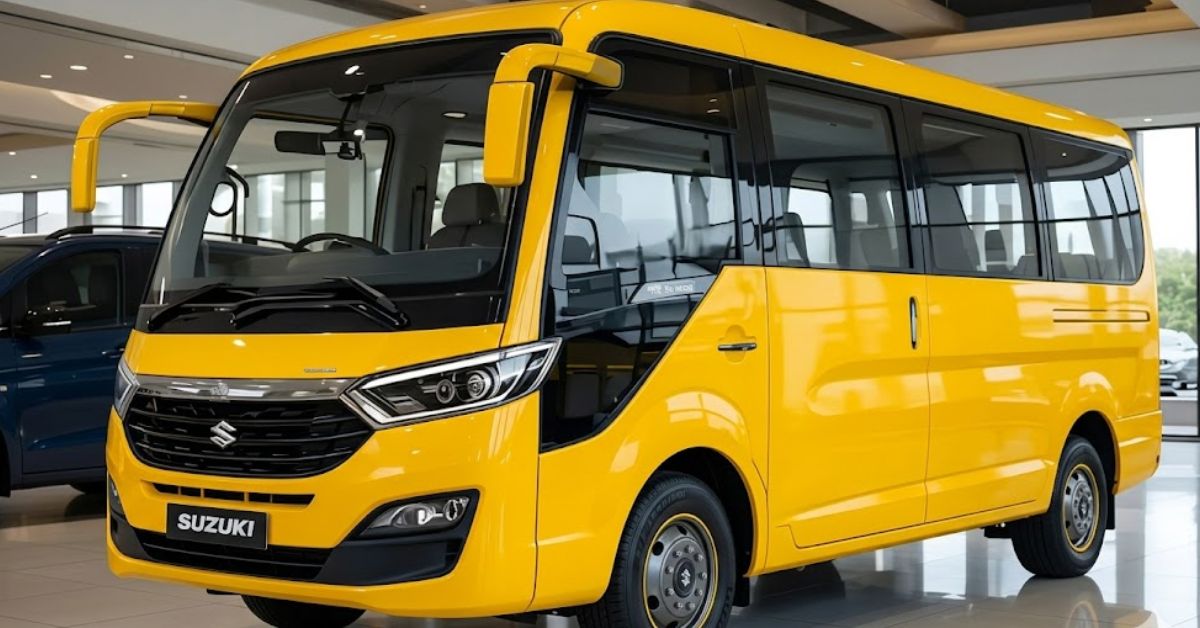
The first thing that makes the Maruti Mini Bus interesting is its expected design. Utility vehicles in India are no longer built only for basic function. Buyers now want style as well. Even if the vehicle is aimed at practical use, people still want it to look fresh, modern and respectable on the road. That is why a stylish design could become one of the biggest strengths of the Maruti Mini Bus.
From the outside, the mini bus could carry a boxy yet smart silhouette. This kind of shape makes sense because it allows better cabin space, improved headroom and easier entry for passengers. At the same time, Maruti may try to make the design more appealing with a sharper front fascia, cleaner body lines and a more urban-friendly appearance. The front grille could look slightly wider and more modern than older utility vans, giving the vehicle a stronger road presence.
The headlamps may come with a sleeker design, while the front bumper could feature a bold and practical layout that suits both family and commercial use. A high roofline is also likely because it improves cabin movement and makes the vehicle feel more open from the inside. Large windows would be a smart addition because they make the cabin brighter and more airy, especially during long journeys.
The side profile of the Maruti Mini Bus could remain simple, but simplicity is not a bad thing in this kind of vehicle. Clean panels and wide-opening doors would improve everyday usability. For Indian buyers, convenience matters more than unnecessary styling drama. A practical step-in height and easy access to middle and rear rows would make a real difference, especially for older passengers and children.
At the rear, the vehicle may keep a straightforward design with vertical tail lamps and a practical tailgate or split-door arrangement depending on final body style. This would support luggage loading and business use. The overall look may not be flashy like an SUV, but if done right, it could be smart, neat and instantly acceptable to the mass market. That is exactly the kind of design balance Maruti usually gets right.
Interior and Comfort
Inside the cabin, the Maruti Mini Bus is expected to focus heavily on space, comfort and utility. That is where this vehicle could truly win hearts. Buyers in this category are not looking for luxury in the traditional sense. They want a cabin that feels roomy, useful and easy to live with. If Maruti gets that formula right, this mini bus could appeal to a very wide audience.
The dashboard may carry a simple but modern layout. Maruti has improved cabin design across many of its vehicles, and something similar could happen here too. The dashboard may feature cleaner lines, a practical center console and well-placed storage areas for daily essentials. Cup holders, bottle spaces and mobile storage compartments may all become part of the cabin setup because small practical features matter a lot in a vehicle meant for longer daily usage.
Seating is likely to be one of the most important talking points. The Maruti Mini Bus could offer seating for seven, eight or even nine passengers depending on the final configuration. This would make it useful for large families, tour operators and business owners. Bench seats may be expected in some variants, while more comfort-focused versions could come with individual seat layouts for improved support.
Headroom and legroom are expected to be good, especially if Maruti uses a tall-roof design. The upright cabin structure naturally helps in creating a more open feeling. Entry and exit may also feel easy, which is a huge advantage in urban and semi-urban conditions where people frequently get in and out of the vehicle.
Air conditioning is likely to play a major role here. If rear AC vents or a stronger cooling setup is included, that would be a major plus point for Indian buyers. Cabin ventilation matters a lot in hot weather, especially when the vehicle is fully loaded. Comfortable cushioning, durable fabric seats and easy-to-clean materials could make the mini bus more suitable for both private and commercial use.
What could make the cabin even more appealing is visibility. Large glass areas may make the interior feel less cramped. Passengers usually prefer a cabin that feels bright rather than closed. This can improve the travel experience in a big way, especially for school routes, local tours and long family drives.
Engine and Performance
The expected heart of the Maruti Mini Bus could be a reliable petrol engine similar to the practical engine options Maruti already uses in its utility vehicles. A 1.2-litre petrol unit sounds like the most likely choice because it balances power, refinement and running cost in a sensible manner. This size of engine is already familiar in the Indian market and has proven itself to be practical for everyday use.
Power output may be around 80 PS, though exact figures could vary depending on final tuning and load-carrying requirement. That may not sound aggressive on paper, but this vehicle is not meant to be a performance machine. It is meant to be dependable, smooth and usable. In this segment, what matters most is how the engine behaves in city traffic, on village roads and with a full passenger load.
Maruti may tune the engine for strong low-end response rather than outright speed. That would be the right approach because mini bus buyers need smooth pickup, easy drivability and confidence while carrying several passengers. A light clutch and an easy five-speed manual gearbox could also make daily driving more relaxed, especially for commercial operators who spend long hours behind the wheel.
A CNG option may also be offered if the vehicle enters the market. That would be a major advantage because many commercial and family buyers actively prefer CNG for lower running cost. Maruti already has strong experience with factory-fitted CNG models, so it would make perfect sense for the Maruti Mini Bus to get the same treatment. This could make the vehicle more appealing to school transport owners, local travel operators and buyers who want maximum savings over time.
Performance on highways may remain calm and steady rather than aggressive. The mini bus would likely be designed for stable cruising and predictable response. If the gearing is tuned well, the vehicle may offer a comfortable experience on both city roads and open highways. It may not feel sporty, but it could feel honest, reliable and stress-free, which matters far more in this category.
Mileage and Driving Experience
Mileage is one of the biggest reasons people are interested in the Maruti Mini Bus. Maruti has built its reputation in India largely on the back of fuel-efficient vehicles, so buyers naturally expect this model to deliver respectable numbers as well. If the mini bus comes with a well-tuned petrol engine, fuel efficiency could be one of its strongest selling points.
Expected mileage may fall between 19 and 22 km/l for the petrol version depending on load, road condition and final engine tuning. If a CNG version arrives, the running cost could become even more attractive, making it a very practical machine for frequent daily use. This is where the Maruti badge carries strong value. Buyers trust the company to deliver mileage figures that feel realistic in day-to-day life.
The driving experience may focus more on ease than excitement. That is not a weakness. In fact, for a mini bus, it is exactly what buyers want. A light steering setup, smooth gear shifts and manageable dimensions would make the vehicle easier to drive in crowded cities and tight streets. If Maruti keeps the turning radius practical, the vehicle could become surprisingly user-friendly in urban conditions.
Ride comfort is another area where this vehicle could matter a lot. Since it may be used with multiple passengers, the suspension setup would need to handle uneven roads without making the cabin feel too rough. A balanced suspension with load-friendly tuning could help the Maruti Mini Bus stay composed even when fully occupied. That would improve comfort for passengers and confidence for drivers.
Noise levels may also be better controlled than older generation utility vans. Buyers now expect a calmer cabin, and Maruti may work on insulation and engine refinement to make the travel experience more relaxed. On longer drives, this small difference becomes very noticeable.
If the vehicle combines decent ride quality, easy maneuverability and strong mileage, it could easily become one of the most sensible people movers for Indian buyers. That combination is exactly what the market respects.
Features and Technology
Today, even practical vehicles are expected to offer modern convenience features. Buyers no longer accept the idea that a utility vehicle must feel basic in every sense. That is why the Maruti Mini Bus could come with a thoughtful mix of everyday technology and comfort features.
An infotainment display may be offered in higher variants, possibly with smartphone connectivity for calls, music and navigation support. Even if the screen is not very large, its presence would make the cabin feel more contemporary. USB charging ports, front power windows and central locking could also become part of the package.
A digital or semi-digital instrument cluster may improve readability and give the driver better access to important information. Maruti may also include steering-mounted controls in select trims if the company wants to push the mini bus slightly more toward family use instead of keeping it purely commercial.
Air conditioning, cabin lighting, rear parking sensors and power steering are expected to be part of the practical feature list. Depending on the final positioning, there could also be electrically adjustable mirrors, a reverse camera and keyless entry in top variants. These are no longer seen as luxury extras. They are now practical tools that make daily usage easier.
What matters more than flashy features is smart usefulness. If the Maruti Mini Bus gets thoughtful touches like multiple storage pockets, useful seat folding options, better ventilation and simple controls, it will feel more attractive to real buyers than a vehicle that only looks good in a brochure. Maruti usually understands this very well.
Safety
Safety has become a much bigger priority for Indian buyers, and any new practical vehicle entering the market will be judged on this point. The Maruti Mini Bus may be expected to come with a stronger body structure than older generation utility vehicles, along with essential safety equipment to meet current expectations.
Dual front airbags may be standard or at least available in most trims. ABS with EBD is highly likely, especially since these features have become common across many modern vehicles. Rear parking sensors would be important because a longer body style can be harder to judge in tight parking spaces. Seatbelt reminders and high-speed alerts may also be included as part of the standard safety package.
Depending on the final positioning, the vehicle could also offer electronic stability support in select versions, though that remains less certain. A reverse camera would be a useful addition, especially in top trims meant for family buyers. Child safety locks and seatbelt arrangements across rows would matter a lot as well.
For a vehicle that may carry several passengers, braking confidence and body stability are extremely important. Maruti would need to ensure that the Maruti Mini Bus feels stable under load and remains predictable during sudden stops or lane changes. If it achieves that, buyers would feel more confident using it for daily passenger movement.
Price and Launch Details
Price will be one of the biggest deciding factors for the Maruti Mini Bus if it enters the market. Maruti’s strength has always been value, and that same value-based strategy could work very well here. The expected price may start from around ₹5.50 lakh and go up to ₹8.00 lakh depending on seating layout, fuel option and features.
If Maruti wants to target both family and business users, it may offer multiple variants. Basic trims could focus on commercial buyers, while better-equipped versions may target private users who want more comfort and style. That would be a smart strategy because it would widen the vehicle’s appeal.
As for launch timing, the current status appears expected or rumored rather than officially confirmed. Still, the strong interest around the concept shows that there is real demand for such a product. If Maruti sees potential in this segment, a future launch would not be surprising at all. The company knows that practical mobility still has a large market in India.
Final Thoughts
The buzz around the Maruti Mini Bus makes complete sense. Indian buyers still value practicality, affordability and trust, and this idea fits all three. A stylish mini bus with a strong engine, spacious cabin and impressive mileage could become a highly useful product for families, businesses and transport operators alike.
What makes it especially interesting is that it does not need to be flashy to succeed. It only needs to be smart, efficient and dependable. That is exactly where Maruti has always performed strongly. If this rumored people mover becomes reality with the right features and competitive pricing, it could create serious excitement in the market.
For now, many details remain expected or likely rather than fully confirmed. But even as an upcoming possibility, the Maruti Mini Bus already feels like a vehicle concept that matches Indian needs perfectly. It promises space without excess, practicality without dullness and efficiency without compromise. That alone is enough to keep buyers interested.
FAQs
Is Maruti Mini Bus officially launched?
At the moment, it appears to be an expected or rumored product idea, and full official confirmation may still be awaited.
What engine could the Maruti Mini Bus get?
It is likely to use a 1.2-litre petrol engine, and a CNG option could also be offered.
What mileage can be expected from Maruti Mini Bus?
The expected petrol mileage may be around 19 to 22 km/l, while a CNG version could offer even better running economy.
What could be the expected price of Maruti Mini Bus?
The expected price may start around ₹5.50 lakh and go up to roughly ₹8.00 lakh depending on the variant and features.