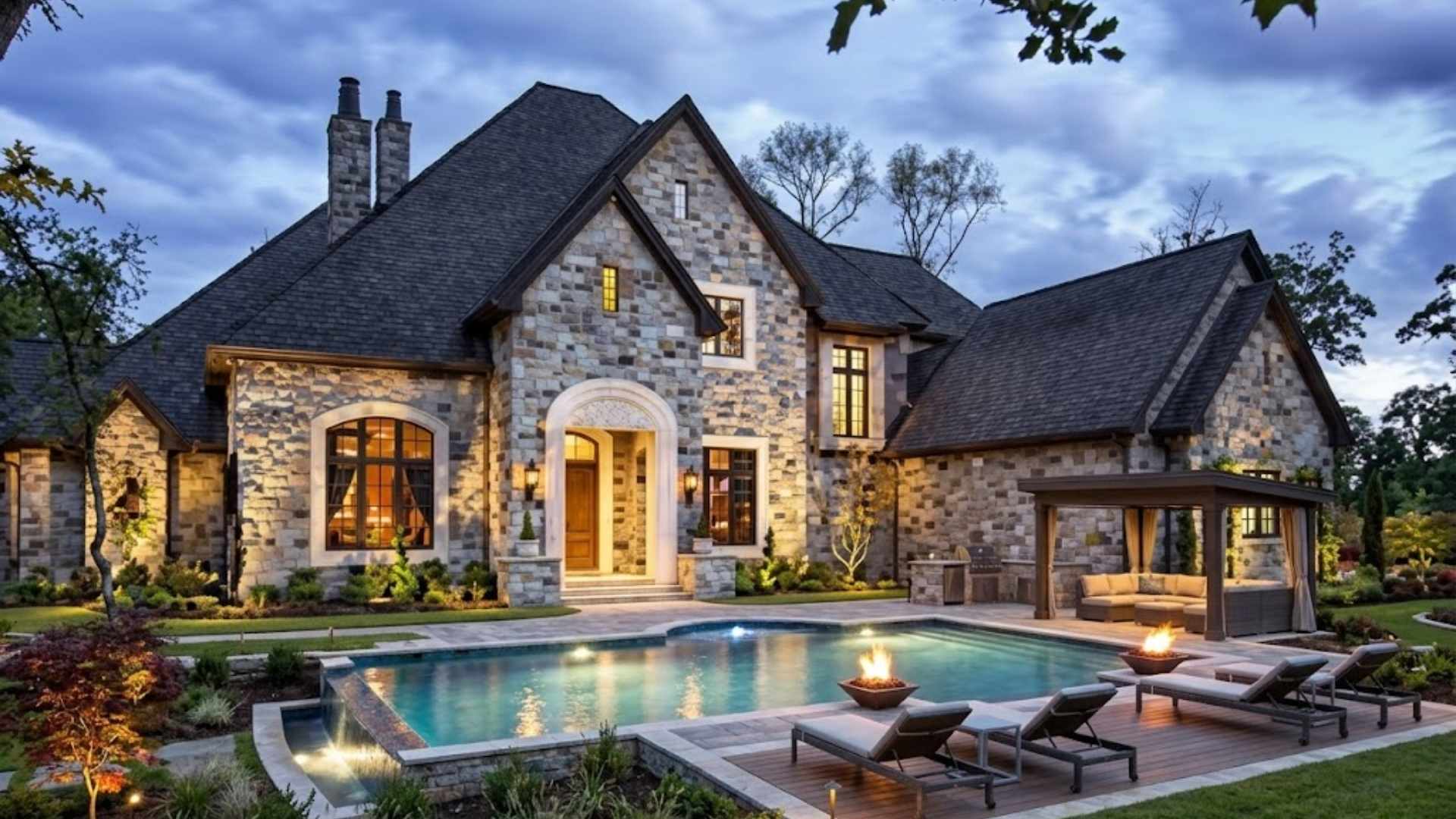
House The idea of a House has changed in a big way in 2026. People are no longer dreaming only about spaces that look expensive, perfectly staged, or ready for a quick social media photo. They want something deeper now. They want warmth. They want comfort. They want technology that helps without taking over. They want rooms that feel beautiful but also easy to live in. That shift is shaping the way homes are being designed, decorated, and upgraded this year.
In many ways, the modern House in 2026 feels more human than the home trends of a few years ago. The cold gray look that once felt sleek and modern has started losing its shine. In its place, warm neutrals, earthy browns, soft greens, creamy whites, muted terracotta tones, and buttery accents are helping homes feel calmer and more welcoming. The mood is softer. The spaces feel more personal. Instead of trying to impress from a distance, the home of 2026 tries to comfort the person living inside it.
| Detail | Information |
|---|---|
| Main Keyword | House |
| Topic | 2026 house style trends with warm interiors and smarter living ideas |
| Style Direction | Warm minimalism, earthy shades, soft textures, personal decor, and practical comfort |
| Smart Living Focus | Hidden technology, energy-saving features, multifunctional rooms, and clean design |
| Overall Mood | Cozy, modern, calm, and future-ready |
At the same time, the smarter side of the House is evolving just as fast. Technology is still important, but it is no longer about making the home look futuristic in a loud or flashy way. The trend is moving toward invisible convenience. Hidden charging, smart lights, quieter automation, better energy use, flexible furniture, and rooms that do more than one job are becoming part of everyday living. The smartest home now is not the one packed with visible gadgets. It is the one that quietly makes life easier.
That is why House style in 2026 feels like such a fresh upgrade. It is not chasing just one extreme. It is not only about luxury, and it is not only about simplicity. It sits in the middle, where beauty meets comfort and where design meets daily life. That balance is what makes this year’s home style trends feel so real and so appealing.
The End of Cold and Lifeless Interiors
One of the biggest design changes shaping the House in 2026 is the move away from interiors that feel cold, flat, and emotionally distant. For a long time, people were encouraged to think that modern meant empty surfaces, pale gray walls, sharp edges, and spaces that looked almost untouched. While that style had its moment, many people eventually realised something important. A house can look neat and expensive but still feel uninviting.
That is exactly why the current direction feels so different. The 2026 House is moving away from harsh minimalism and toward warm simplicity. This does not mean homes are becoming messy or overly decorated. It simply means the modern house is allowed to feel soft, lived-in, and emotionally comforting. Rooms are being designed to support actual life, not just visual perfection.
This shift is especially clear in living rooms, bedrooms, and dining spaces. Instead of empty-looking setups with very little personality, people are choosing fuller textures, warmer upholstery, softer furniture shapes, and more layered details. A House in 2026 often feels calmer because it has more depth, not less. The room may still look modern, but it also feels more complete.
That change says something important about what people now want from home. They are no longer satisfied with a space that only photographs well. They want a House that feels good on an ordinary evening, during a quiet morning, or at the end of a tiring day. And that need for emotional comfort is reshaping interior style in a very visible way.
Warm Colors Are Defining the Mood
If there is one thing instantly changing the look of the House in 2026, it is color. Warm shades are everywhere, and they are doing much more than adding decoration. They are changing the emotional temperature of the home. People are moving away from icy palettes and choosing colors that feel grounded, soft, and inviting.
Creamy whites, warm beige, mushroom tones, cocoa browns, dusty greens, muted rust, clay-inspired shades, and soft buttery yellow are all helping the House feel less sterile. These colors do not scream for attention, but they completely transform the mood. They make walls feel softer, furniture feel richer, and the entire room feel more welcoming.
Brown, in particular, is having a strong return. For a while, many people saw it as old-fashioned. In 2026, it feels rich, balanced, and elegant again. Whether used in wooden furniture, textured fabrics, painted cabinets, or accent pieces, brown brings maturity and warmth into the House. It pairs beautifully with cream, off-white, muted green, and even black details, creating spaces that feel both stylish and comforting.
The same is true of soft yellow and earthy terracotta-inspired tones. These colors are not being used in an overly bright or dramatic way. Instead, they are being layered carefully to bring life into the House without making it feel chaotic. The result is a home that feels brighter, warmer, and more emotionally connected.
The Rise of Earthy and Natural Tones
Another strong trend shaping the House in 2026 is the rise of nature-inspired tones. People want their homes to feel calmer, and one of the easiest ways to achieve that is by borrowing visual cues from the natural world. That means greens inspired by leaves and moss, browns inspired by wood and soil, and tones that feel sun-warmed rather than artificial.
These colors work especially well because they create a sense of balance. A House filled with overly bright or overly cool shades can start to feel visually tiring. Earthy tones do the opposite. They bring steadiness. They make a room feel grounded. That is one reason they are becoming so popular in kitchens, entryways, bedrooms, and reading corners.
Green is one of the most useful colors in this trend. In the 2026 House, green is often used to create calm and freshness. Soft olive, sage, and muted botanical shades help rooms feel relaxed and less mechanical. These greens pair well with wood, stone textures, warm whites, and brass details, which is why they are becoming such a favourite choice.
Terracotta and clay-inspired accents are also bringing more personality to the House. These tones feel handcrafted and warm, which makes them perfect for pottery, wall art, cushions, rugs, and even painted corners. They help the home feel less generic and more expressive without becoming too loud.
Soft Textures Are Becoming Essential
The fresh upgrade of the House in 2026 is not only about color. It is also about texture. One reason homes are feeling warmer now is because people are paying much more attention to what surfaces feel like and how materials interact with each other. Texture is doing a huge amount of emotional work in modern interiors.
Soft woven throws, boucle-style seating, linen curtains, textured wall finishes, brushed wood, natural stone, layered rugs, and cozy upholstery are all helping the House feel more complete. A room with beautiful color can still feel flat if every surface looks too smooth or too perfect. Texture solves that problem. It adds warmth without clutter.
This is one of the biggest reasons homes feel more inviting in 2026. The House no longer depends only on furniture and paint to make an impression. It depends on sensory comfort. You see softness in the room before you even sit down. And once you touch the materials, the emotional effect becomes even stronger.
Texture also helps balance modern design. A very clean and structured House can sometimes start to feel cold. But when that same space includes warm wood grains, woven details, tactile fabrics, and subtle layering, it immediately feels more human. That is the magic of texture in 2026 home style.
Curved Furniture Is Making Homes Feel Gentler
A quiet but very noticeable change in the House this year is the growing popularity of curved furniture and softer silhouettes. For many years, sharp-edged pieces and boxy forms dominated modern interiors. They felt sleek, but they could also make spaces feel rigid. In 2026, that visual hardness is softening.
Rounded sofas, curved chairs, circular tables, arched mirrors, soft headboards, and flowing lighting fixtures are giving the House a much gentler personality. These forms are easier on the eye and more emotionally soothing. They make a room feel less severe and more welcoming.
This trend works especially well when combined with warm colors and layered texture. A curved sofa in a creamy neutral fabric, paired with a rounded wooden coffee table and soft lighting, can instantly transform the atmosphere of a House. The room feels safe, relaxed, and easy to inhabit.
There is also something psychologically comforting about curves. They make interiors feel less strict and more natural. That may be one reason why so many homeowners are drawn to them now. The 2026 House is not just aiming to look stylish. It is aiming to reduce tension and increase ease, even through shape.
Personal Decor Is Replacing Generic Styling
Another major trend in the House this year is the move away from generic styling. People are getting tired of homes that all look the same. The perfectly copied living room, the identical beige decor set, the overly curated shelf with no personal meaning are beginning to lose appeal. In 2026, character matters more.
This means a House now feels fresher when it includes personal books, collected objects, framed memories, handmade pieces, travel finds, family touches, and items that actually tell a story. The goal is not mess. The goal is personality. A room should feel like it belongs to someone, not like it was copied from a furniture catalogue.
That personal shift is one of the most emotionally interesting things happening in home design right now. It reflects a broader desire for authenticity. People want their House to feel unique, not just trendy. They want guests to understand something about them by walking through the space.
This also makes the home more comfortable to live in. When the House reflects real taste and memory, it stops feeling performative. It becomes more emotionally useful. That may be one of the strongest reasons 2026 house style feels more satisfying than earlier trend cycles.
Smarter Living Is Becoming More Invisible
On the practical side, the House in 2026 is becoming smarter in a quieter way. Instead of flashy gadgets dominating the room, smart living is blending into the home more naturally. Technology is still there, but it is becoming less visible and more graceful.
Smart lighting, app-based temperature control, hidden speakers, built-in charging, automated curtains, air-quality monitoring, and energy-saving systems are helping the House run more smoothly without making it look like a showroom. This is a huge shift from earlier smart-home trends, where visible devices were often treated as design features in themselves.
Now the goal is integration. A smart House should still feel calm and attractive. Technology should support daily life without visually taking over. That balance is one of the most appealing parts of 2026 home design. The house feels advanced, but not cold. It feels convenient, but not mechanical.
This trend also reflects a more mature relationship with technology. People are no longer impressed by smart features just because they exist. They want them to be useful, easy, and visually quiet. The best smart House today is the one where comfort increases while clutter disappears.
Energy Saving Has Become Stylish
The modern House in 2026 is not only trying to look good. It is also trying to work smarter and waste less. Energy-conscious design is becoming a real part of style, not just a technical afterthought. That is an important shift because it means sustainability is starting to influence the way homes feel and function.
Better insulation, energy-efficient lighting, natural light planning, solar-friendly design, low-consumption appliances, and climate-smart features are all helping the House become more future-ready. What is interesting is that these ideas no longer feel boring or purely practical. They are being woven into the overall design language of the home.
A bright House that uses natural daylight well feels more beautiful. A room with cross-ventilation feels fresher. Smart lighting systems that reduce waste also make the home easier to control. In 2026, the stylish house is often the one that quietly saves energy while still feeling elegant.
This matters because people now want homes that support not just comfort, but long-term living. A House should not only impress today. It should work intelligently over time. That is one reason sustainability and smart design are becoming so closely connected.
Multifunctional Spaces Are Now a Must
Another big reason the House in 2026 feels smarter is because rooms are being asked to do more. People are thinking more carefully about how space is used. A room should not just look good. It should adapt. It should support daily life in flexible ways.
That is why multifunctional spaces are becoming such an important trend. A dining corner may double as a work zone. A guest room may also function as a reading room or home office. A bench may hide storage. A bed may include built-in shelving. A living room may include subtle charging and work-friendly lighting. The smarter House understands that modern life is fluid.
This flexibility does not mean the home has to feel cramped or overly practical. In fact, when done well, it makes the House feel more polished. Furniture with more than one role, layouts that support different activities, and clever storage choices all help the space stay beautiful while serving real needs.
The popularity of multifunctional design also shows how priorities have changed. People no longer want dead zones in the home. They want every part of the House to earn its place while still feeling calm and attractive.
Kitchens and Bathrooms Are Becoming Warmer Too
The warm upgrade of the House is not limited to bedrooms and living rooms. Kitchens and bathrooms are also becoming much softer and more welcoming in 2026. These rooms used to lean heavily toward cool white, shiny finishes, and a kind of polished sterility. Now they are moving in a more comforting direction.
In kitchens, the House is embracing warmer cabinets, richer wood tones, mixed materials, softer backsplashes, muted stone-inspired surfaces, and more inviting lighting. The room still looks fresh and modern, but it no longer feels too clinical. Open shelving, textured details, and deeper tones are helping kitchens feel like true living spaces again.
Bathrooms are also changing. Instead of looking ultra-cold and overly glossy, the 2026 House often features bathrooms with spa-like warmth. Softer lighting, natural textures, stone finishes, warm metals, and calming colors are helping these spaces feel less like utility zones and more like personal retreats.
This matters because every room now contributes to the emotional tone of the House. The goal is not to have one beautiful room and several functional ones. The goal is for the whole home to carry the same feeling of warmth, ease, and quiet intelligence.
Lighting Is Becoming Softer and Smarter
Lighting is playing a massive role in the transformation of the House this year. In earlier trends, bright white lighting often made homes feel clean but harsh. In 2026, people are paying much more attention to softer light, layered light, and mood-friendly light.
This means the modern House often uses a mix of floor lamps, table lamps, warm ceiling lights, hidden strip lighting, and dimmable systems to create a more comfortable environment. Lighting is no longer treated only as a necessity. It is part of the emotional design of the room.
Soft lighting makes a House feel more expensive, more restful, and more welcoming. It also works beautifully with the warmer color palettes that are defining the year. Cream walls, wooden furniture, and earthy tones all come alive more beautifully under warm light than under harsh, cold light.
When paired with smart systems, lighting becomes even more effective. A House that can shift its mood from bright morning energy to calm evening softness feels much more supportive of daily life. This is one of the most practical and beautiful upgrades in modern home design.
Final Thoughts
The modern House in 2026 feels fresher because it is finally balancing heart and function. It is no longer enough for a home to look stylish from a distance. It needs warmth, comfort, intelligence, and personality. That is exactly what this year’s trends are delivering.
Warm colors are making rooms feel more emotional and inviting. Natural tones and layered textures are making spaces feel more grounded. Curved furniture is softening the atmosphere. Personal decor is giving homes soul again. Hidden technology is making daily life easier without stealing the spotlight. Flexible layouts and energy-smart features are helping the House feel ready for real life, not just ideal life.
What makes this shift so exciting is that it does not ask people to choose between beauty and practicality. The 2026 House proves that both can exist together. A home can be smart without feeling cold. It can be stylish without feeling fake. It can be modern without losing warmth.
That may be the biggest reason this year’s home style feels so appealing. It understands that a House is not only a place to show. It is a place to live, breathe, rest, and feel like yourself.
FAQs
What is the biggest house style trend in 2026
The biggest House trend in 2026 is the move toward warm interiors with cozy colors, soft textures, and a more human, lived-in feel.
Are gray interiors still popular in 2026
Gray is no longer the strongest trend. The House in 2026 is moving more toward warm neutrals, browns, earthy greens, and cream-based palettes.
What does smarter living mean in house design
In a modern House, smarter living means hidden technology, better energy use, easy automation, and practical features that make everyday life smoother.
Why are warm colors becoming so popular
Warm colors make the House feel more welcoming, restful, and emotionally comfortable. They also work better with natural materials and softer lighting.
Is minimalism still in style for a house
Yes, but the modern House follows warm minimalism rather than cold minimalism. It keeps things simple while adding softness, texture, and personality.
What makes a house feel more modern in 2026
A House feels more modern in 2026 when it combines warm color palettes, personal decor, smart hidden technology, multifunctional spaces, and a calm, cozy atmosphere.