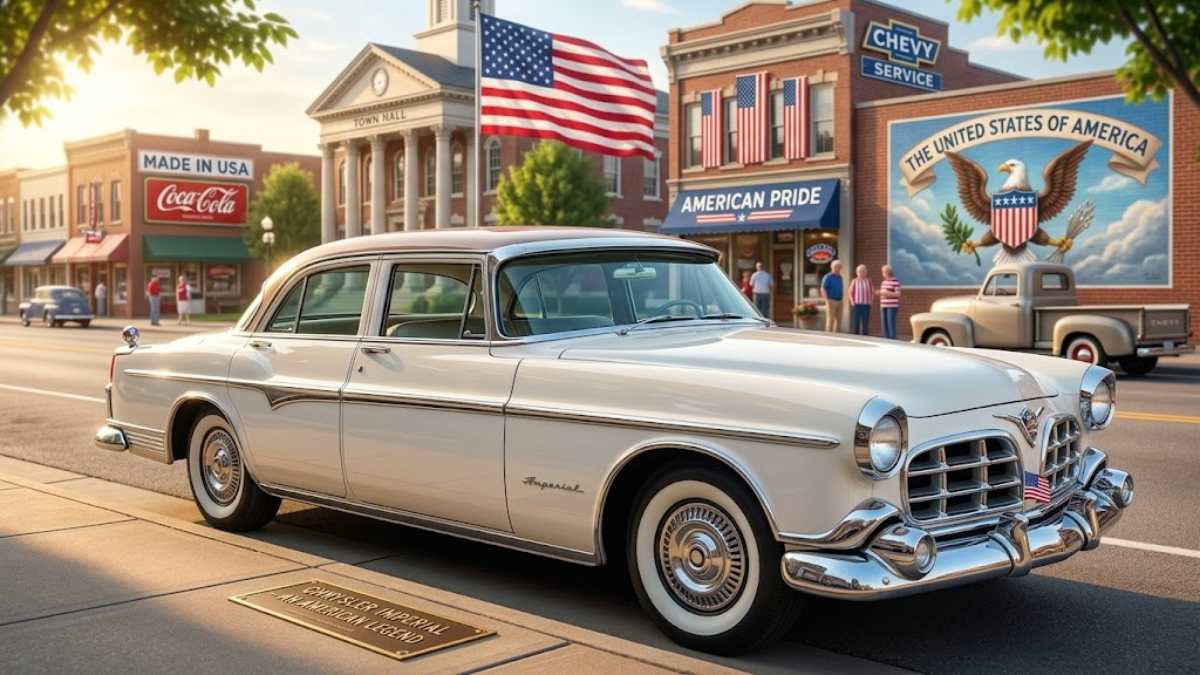
Minnesota Classic Car – For many Minnesota drivers, owning a vintage car is about much more than transportation. It is about history, style, nostalgia, and the joy of keeping something special alive in a world filled with ordinary daily drivers. A classic Mustang, an old Chevy pickup, a restored Cadillac, or a rare muscle car can feel like a rolling time capsule. But in 2026, there is one question many owners are asking more seriously than ever. How does Minnesota Classic Car Law affect the way these vehicles are registered, used, and legally kept on the road?
That question matters because registration is not just paperwork. It can affect how often you drive your car, what kind of plate you use, what rules apply to your vehicle, and how state officials view its purpose. For collectors, restorers, and hobbyists, Minnesota Classic Car Law has become an increasingly important topic because it sits right at the intersection of passion and regulation. People want the benefits of collector-style registration, but they also want clear answers about what they can and cannot do once those plates are on the car.
Why Minnesota Classic Car Law is getting fresh attention
The reason Minnesota Classic Car Law is becoming a hotter topic is simple. People do not want surprises when it comes to the vehicles they have invested so much time and money into. A classic car is rarely cheap to maintain. Owners spend on restoration, parts, storage, paint, insurance, and repairs. Many put years into bringing a vehicle back to life. So when questions arise about registration rules, the concern is understandable.
Classic car owners often assume that once a vehicle qualifies for special registration, the biggest challenge is over. But the law can involve more than age alone. It can also involve how the state defines the vehicle, what kind of registration category it fits under, and whether the car is being used primarily as a collectible item rather than as a normal everyday vehicle.
That difference is important. Minnesota Classic Car Law is not designed to treat all older cars the same way. A vintage vehicle that is used as a collector’s item may fall into one category, while an older vehicle used more regularly could face a very different registration reality. That is where many questions begin. Owners may wonder whether taking the car out on weekends is fine, whether a cruise night counts as proper use, whether occasional errands are allowed, or whether daily commuting could create a legal problem.
In other words, the conversation is no longer just about plates. It is about purpose.
What Minnesota Classic Car Law generally means for vintage vehicle owners
At its core, Minnesota Classic Car Law is about recognizing that certain older vehicles are different from ordinary transportation. These cars are often prized for their age, style, rarity, and collector value. The law reflects that by creating a special registration path for eligible vehicles that are not primarily being used like a modern daily driver.
That distinction matters because classic or collector registration is usually attractive for a reason. Owners like the special identity that comes with collector-style plates. They may also appreciate the structure that feels more tailored to hobby ownership instead of routine personal transportation. But that benefit comes with expectations. The state typically wants to know that the vehicle is being maintained as a collector item and not just being used to avoid normal registration responsibilities on a vehicle that is effectively serving as everyday transport.
For owners, this creates a practical reality. Minnesota Classic Car Law can offer advantages, but it also asks drivers to understand the spirit behind that registration. A collector plate is not simply a decorative badge. It represents a category of ownership with a certain intended use.
That is why so many people are reading more carefully now. Nobody wants to accidentally misuse a registration category and later discover that the law expected something different.
The difference between loving a classic car and legally using one
This is where the issue becomes real for actual drivers. Most classic car owners do not buy these vehicles just to leave them parked forever. They want to drive them. They want to take them to local shows, weekend meets, parades, community events, scenic drives, and seasonal gatherings. That is part of the lifestyle.
But Minnesota Classic Car Law raises an important question. At what point does using a vintage vehicle for pleasure begin to look too much like general transportation?
That line can feel blurry to many owners. If you take your car out on a sunny Saturday, that feels very much in the spirit of collector ownership. If you drive it to a show, most people would assume that fits easily. If you take it on a local cruise with friends, that also sounds reasonable. But once the vehicle starts becoming part of grocery trips, office travel, or regular commuting, the legal picture may feel less comfortable.
This is one reason why the topic keeps gaining traction. People want plain-language understanding, not just technical legal wording. They want to know whether their habits match the category they registered under. They want confidence that enjoying their classic vehicle is not going to cause unnecessary legal exposure.
In many ways, Minnesota Classic Car Law is becoming a bigger public discussion because drivers are trying to match old-school car culture with modern legal clarity.
Why registration rules matter more than people think
Many drivers only think about registration when it is time to renew tabs or deal with paperwork. But for classic vehicles, registration rules can shape the entire ownership experience. They can affect how you insure the car, how law enforcement may view it on the road, and what sort of usage the state believes is appropriate for that vehicle type.
That is why even a small change in wording can matter. Owners pay close attention to the law because classic vehicles are often emotional investments. People remember childhood rides in similar cars. They rebuild family vehicles passed down through generations. They save old machines from rust and neglect. These cars often carry stories, not just titles.
When a law touches that world, it naturally creates concern. Owners are not just asking whether their plate is valid. They are asking whether the state understands how classic cars are actually enjoyed.
Minnesota Classic Car Law has become especially interesting because it reflects that tension. On one hand, the law recognizes collector vehicles as something special. On the other hand, it places them inside a defined legal structure that may limit how freely owners think they can use them.
The appeal of collector and classic registration
There is a reason so many owners want this type of registration in the first place. It carries status, identity, and convenience. A collector or classic plate signals that the vehicle is not just old, but meaningful. It tells people the car belongs to a preserved category, not just an aging used vehicle still limping down the road.
For many enthusiasts, that plate is part of the ownership pride. It feels right for the vehicle. It looks right. It fits the story of the car. There is also a practical side. Special registration categories can sometimes feel simpler or more appropriate for vehicles that are not driven year-round like ordinary modern cars.
But with that appeal comes a shared responsibility. Minnesota Classic Car Law is not simply about celebrating vintage cars. It is also about classifying them properly. If a person wants the collector identity, the state may expect the owner to live within the boundaries of what that identity means.
That is the trade-off many people are now examining more closely. They love the benefits. They just want clearer answers about the limits.
Why some classic car owners feel nervous
The nervousness around Minnesota Classic Car Law does not necessarily come from fear of harsh enforcement alone. In many cases, it comes from uncertainty. Drivers can handle rules more easily than vague expectations. What they dislike is gray area.
For example, a collector may ask whether driving to a restaurant on the way back from a show is acceptable. Another may wonder whether taking the car out for a casual weekend drive counts as lawful collector use. Someone else may use the vehicle once in a while during summer and not think of it as general transportation at all, even if technically the trips are not tied to a formal event.
These are normal questions, and they explain why this topic keeps getting attention. Minnesota Classic Car Law matters not because collectors want to break rules, but because they want confidence that their ordinary hobby behavior is consistent with the law.
That uncertainty can grow even more when legislative changes or updated interpretations enter the conversation. Once people hear that new language may clarify usage limits, they immediately start asking whether long-accepted habits could suddenly look questionable.
How lawmakers and car owners often see the issue differently
One reason these debates happen is that lawmakers and enthusiasts often approach the same vehicle from very different angles. Lawmakers tend to think in categories, compliance, and administrative clarity. They want rules that can be applied consistently. They want registration categories that make sense on paper.
Classic car owners often think in lived experience. They know these vehicles are not daily drivers in the ordinary sense, but they also know the joy of taking one out on a random beautiful day. To them, that use still feels true to the collector spirit. It is recreational, occasional, and passion-driven.
That difference in perspective can create friction. A legal system may want sharper lines, while car culture often lives comfortably in a more flexible reality. That is part of what makes Minnesota Classic Car Law such an interesting issue. It is not only about compliance. It is about whether the law reflects how people actually enjoy vintage vehicles.
For many enthusiasts, the ideal outcome is not unlimited use. It is reasonable clarity. They want rules that protect the meaning of collector registration without punishing normal hobby enjoyment.
Why this matters beyond Minnesota
Even though the focus is Minnesota Classic Car Law, the bigger issue is familiar across the United States. Many states have special plate categories for antique, historic, collector, or classic vehicles. In almost every state, the same core tension appears. Owners want recognition that their older vehicle is special, while the state wants to ensure the category is not being misused as a loophole for general driving.
That is why stories like this travel so well online. Even readers outside Minnesota pay attention because the topic feels relevant. A car owner in Ohio, Texas, Florida, or Pennsylvania may read about Minnesota and immediately think about how similar rules work in their own state. Classic car law may sound local at first, but the underlying questions are national.
Can you enjoy the car casually, or only for specific events? Can you drive it regularly in summer, or only occasionally? Is the vehicle a collectible or a practical transportation tool? Those questions resonate everywhere.
That broader interest is one reason this topic feels so timely. It combines legal clarity, car culture, nostalgia, and everyday driver concerns into one conversation.
What vintage car owners should really take away
The smartest takeaway from Minnesota Classic Car Law is not panic. It is awareness. Owners do not need to assume the sky is falling every time registration wording gets attention. But they do need to understand that special registration comes with a purpose. A classic or collector plate is part of a category that carries expectations.
For most genuine hobbyists, that is not a bad thing. If the vehicle is truly being kept and enjoyed as a collector item, the law is generally designed with that type of ownership in mind. The real issue arises when a vehicle registered under a collector-style system starts functioning too much like an ordinary daily-use car.
That is why clarity matters so much. Owners benefit when the law is readable, reasonable, and realistic. They also benefit from being honest with themselves about how the vehicle is used. If it is really a weekend hobby machine, that is one situation. If it has quietly become a backup commuter or a low-cost daily runabout, that may be another.
Minnesota Classic Car Law is ultimately a reminder that registration should match reality.
The emotional side of the story
There is also a human side to all this that should not be ignored. Classic cars are often deeply personal. They are memory machines. They connect people to parents, grandparents, old neighborhoods, first jobs, road trips, and earlier versions of themselves. That emotional layer is why legal questions around registration can feel so intense.
To a government office, it may look like a category issue. To an owner, it may feel like the state is judging how they connect with a cherished part of their life. That emotional gap helps explain why people react so strongly whenever Minnesota Classic Car Law comes into the spotlight.
Owners do not just want legal compliance. They want respect for the culture around these vehicles. They want the law to understand that driving a vintage car on a bright summer morning is not the same thing as treating it like a boring everyday commuter appliance.
That emotion is exactly why this topic keeps drawing interest and discussion.
Final thoughts
Minnesota Classic Car Law could affect how you register your vintage ride because registration is about more than age and paperwork. It is about how the state classifies the purpose of your vehicle and how closely your real-world use matches that classification. For collectors, restorers, and hobby drivers, that makes the law especially important.
The reason this issue feels so relevant in 2026 is that classic car owners want clearer answers. They want to preserve the benefits and identity that come with collector-style registration, but they also want realistic rules that reflect how vintage vehicles are actually enjoyed. That is a reasonable expectation, and it is why the conversation around Minnesota Classic Car Law is not going away anytime soon.
In the end, the best approach is simple. Know what category your vehicle falls into. Understand what that registration is meant for. Make sure your use of the car matches the purpose behind the plate. When passion and paperwork stay aligned, owning a classic becomes a lot less stressful and a lot more enjoyable.
FAQs
What is Minnesota Classic Car Law?
Minnesota Classic Car Law generally refers to the legal rules that govern how classic, collector, or vintage vehicles are registered and used in Minnesota.
Why is Minnesota Classic Car Law getting attention now?
It is getting attention because classic car owners want clearer answers about how special registration works and whether certain vehicle uses fit the purpose of collector-style plates.
Does Minnesota Classic Car Law affect how often I can drive my vintage car?
It can affect how a vehicle is expected to be used, especially if the registration category is meant for collector ownership rather than general everyday transportation.
Why do classic car owners care so much about registration rules?
Registration rules matter because they can shape how a vintage car is legally classified, how it is expected to be used, and how comfortably owners can enjoy it on the road.
Is a classic car plate the same as regular vehicle registration?
No, a classic or collector plate usually reflects a different legal category tied to the vehicle’s age, value, and intended use.
What is the main concern for owners under Minnesota Classic Car Law?
The main concern is making sure the way the vehicle is driven and enjoyed matches the registration category under which it is legally recognized.